
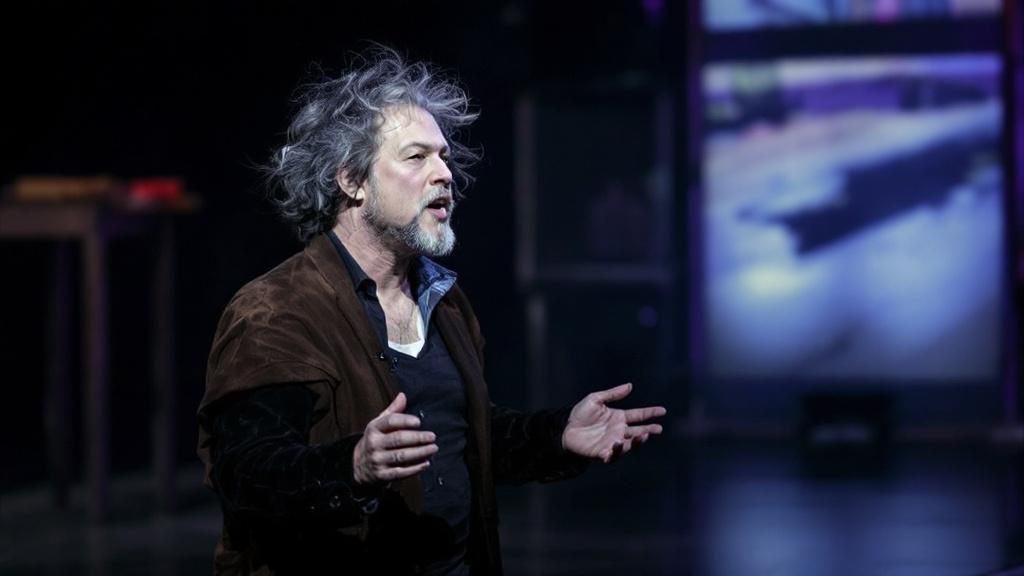
The National Theatre has unveiled an extensive programme created to democratise access to classical drama across the United Kingdom. This groundbreaking initiative promises to bring internationally acclaimed stage productions to audiences far outside London’s West End, ensuring that audiences in provincial and neglected regions can experience Shakespeare, Chekhov, and contemporary interpretations of enduring masterpieces. Through innovative touring schemes, digital platforms, and collaborative partnerships, the theatre is significantly transforming how Britain interacts with dramatic literature, rendering excellent productions an right rather than a privilege.
Bringing Theatre to Everyone to Outstanding Theatre
The National Theatre’s programme marks a fundamental change in how period plays engages viewers within the United Kingdom. By eliminating location-based obstacles and budgetary limitations, the programme guarantees that groups in countryside regions and financially struggling areas can experience shows once exclusive to the capital’s prestigious theatres. This dedication to accessibility embodies a core conviction that theatrical excellence should not be governed by postcode or disposable income, but rather shared fairly between all citizens independent of their situations.
Through strategic partnerships with theatre companies across regions, academic organisations, and arts bodies in local areas, the National Theatre is developing sustainable channels for interaction with classical works. The scheme covers travelling theatre shows, subsidised ticket schemes, and community-developed interpretations that encourage local participation and cultural ownership. By developing these collaborative ties, the theatre transforms from a London-focused venue into a expanded network of artistic quality, ensuring that the life-changing influence of drama becomes genuinely accessible to audiences nationwide.
Digital Innovation and Community Engagement
The National Theatre’s approach hinges upon advanced digital solutions to expand access across the nation. By utilising streaming services and online productions, the institution provides concurrent viewing to productions for audiences without the ability to attend live. This technical systems opens up cultural engagement, letting people from Cornwall to the Scottish Highlands to access premier productions from their own communities. The initiative also includes immersive digital content, instructional content, and production footage, deepening the theatre experience beyond traditional stage productions and encouraging greater involvement with traditional theatrical works.
Equally noteworthy are the partnership arrangements developed between regional theatres, local authorities, and community organisations throughout the United Kingdom. These working relationships enable productions connect with diverse audiences whilst strengthening grassroots cultural infrastructure. The National Theatre provides grants, professional expertise, and artistic leadership to partner venues, building sustainable cultural ecosystems in regions with limited provision. By working alongside local institutions rather than applying centralised approaches, the initiative honours regional identities whilst maintaining creative quality. This partnership model converts classical drama into a truly national undertaking, embedding theatrical culture across communities and establishing enduring cultural heritage.
Impact and Future Vision
The initiative’s effect goes well past simple attendance numbers, fundamentally transforming cultural involvement nationwide. Regional theatre venues document unparalleled levels of engagement, with theatre-goers finding fresh appreciation for classical works previously deemed difficult to access. Areas that traditionally lacked theatre facilities now enjoy stage performances, educational programmes, and behind-the-scenes insights. This democratisation fosters a more inclusive cultural landscape, motivating younger generations to engage with dramatic literature as an integral component of their learning and social growth.
Looking ahead, the National Theatre projects continued development of this groundbreaking scheme throughout the next ten years. Planned capital allocation in digital technology will further extend reach, allowing live streaming and direct access to recorded performances. Working relationships with schools and universities will incorporate traditional theatre within school curricula, cultivating lifelong appreciation for stage performance. The programme represents a significant milestone, establishing the principle that outstanding theatre productions represent a essential cultural access rather than an privilege limited to London.
As this transformative initiative keeps developing, its success fundamentally relies on continuous investment, community engagement, and collaborative partnerships. The National Theatre is dedicated to assessing outcomes through viewer input, participation rates, and educational outcomes, ensuring accountability and sustained enhancement. This pioneering initiative marks a fundamental transformation in British society’s cultural outlook, establishing that classical drama is for everyone.
